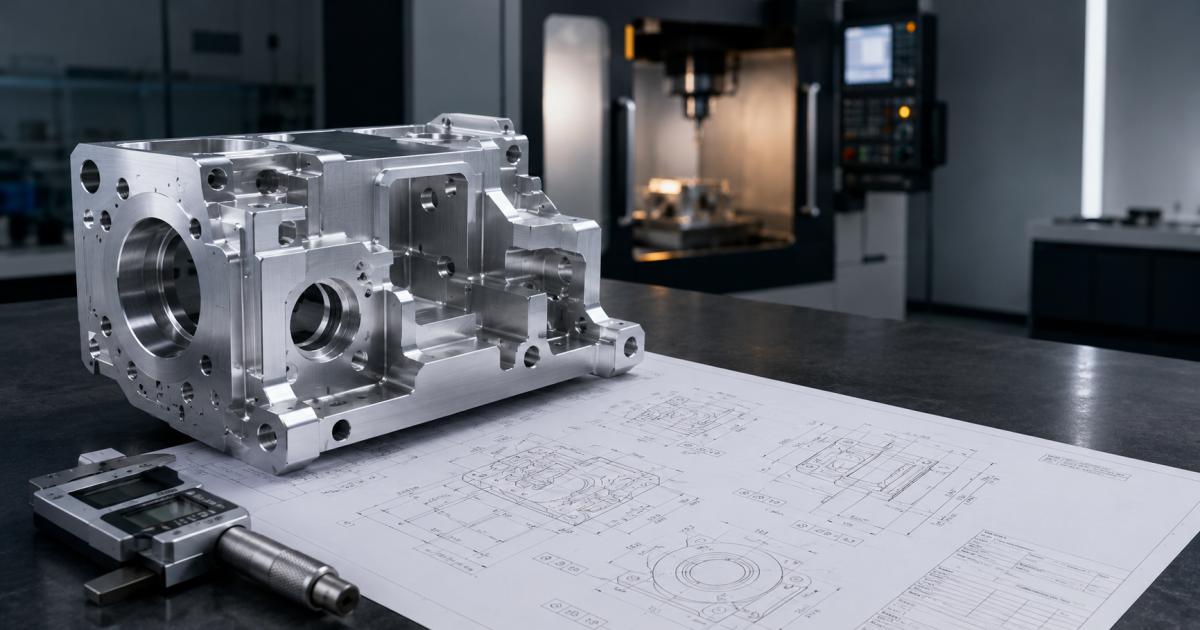
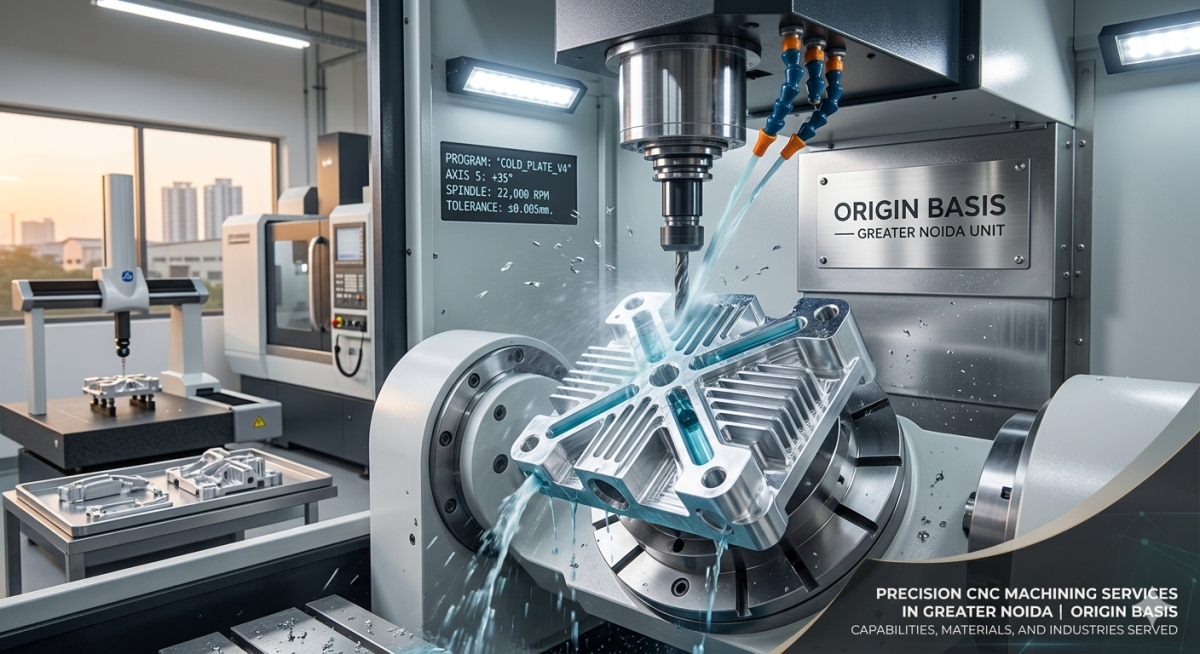
Advanced CNC Machining for Aluminum: Aerospace, Electronics And Cooling Solutions
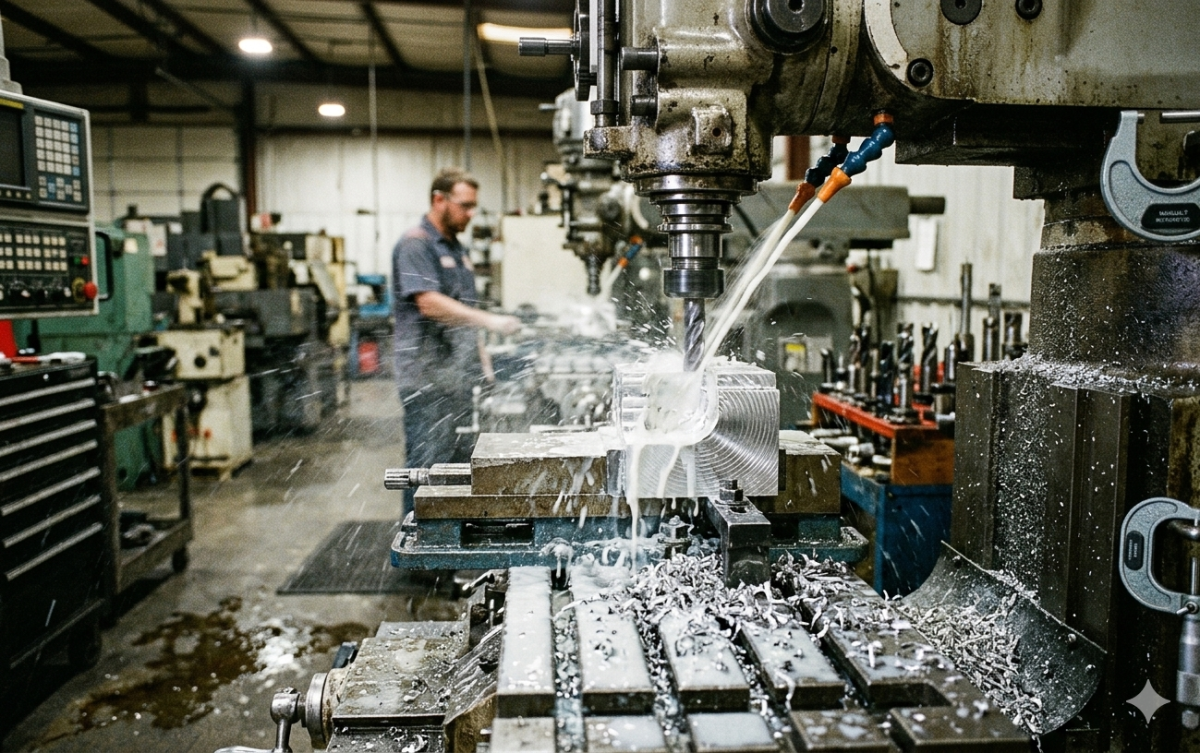
Unlocking Aluminum's Potential: Precision CNC
Turning and Milling
In the high-stakes sectors of aerospace, electronics, and advanced thermal management, engineering demand for lightweight, high-strength, and thermally efficient components can be significant. Aluminum
remains the material of choice to meet these rigorous demands. However, raw material properties are
only half the equation; the true performance of an aluminum component is dictated by the precision of
its manufacturing.
Founder experience and current status: The founder brings more than 15 years of hands-on CNC machining and programming experience across Canada and India. Origin Basis is currently establishing its Greater Noida facility for a planned April 2027 production opening. The article below discusses alloy and process-selection principles; it does not represent verified current Origin Basis production performance.
Navigating Aluminum Alloys: 6061 vs. 7075
Not all aluminum is created equal. Two commonly specified aluminum alloys illustrate how material selection affects machining and application requirements:
Aluminum 6061: Known for its exceptional machinability, weldability, and corrosion resistance. It
is the workhorse for electronics housings and complex internal architectures where structural
integrity and environmental resistance must be balanced for the intended application.
Aluminum 7075: Boasting a strength-to-weight ratio comparable to many steels, 7075 is highly
sought after in aerospace applications. Machining this zinc-alloyed aluminum requires robust
tooling and highly rigid setups to maintain tight tolerances under heavy cutting loads.
Aerospace Applications: Machining for Flight
Aerospace components may carry demanding dimensional, material, traceability, inspection, and surface requirements. Tolerances must come from the approved drawing and be reviewed feature by feature; “micron-level” capability cannot be assumed for every geometry. Surface condition should be specified using measurable acceptance criteria rather than subjective terms such as flawless.
Electronics & Thermal Management: The Cooling Edge
As modern data centers scale and electronic devices pack unprecedented processing power into
shrinking form factors, thermal management has become one of the most critical engineering
challenges of our time. CNC machining plays a vital role in producing the specialized cooling
components required to keep these systems operational.
Origin Basis plans to evaluate future thermal-management enquiries after launch. Equipment suitability, achievable tolerances, inspection, testing, capacity, and timing will be confirmed for each component:
Heat Sinks: Fin geometry, base flatness, surface condition, material, airflow, and interface design can all influence thermal performance. Machining requirements should be derived from the approved thermal and mechanical design.
Cold Plates & Liquid-Cooling Manifolds: Internal channels, sealing features, flatness, burr control, cleanliness, and testing responsibilities require part-specific planning. A machining supplier should not promise leak-free service life without the approved design, assembly conditions, and validation requirements.
The Origin Basis Commitment
Origin Basis is developing its planned Greater Noida workshop, equipment, process controls, and inspection approach. Future prototype and repeat-production enquiries will be reviewed against actual commissioned capability. No universal tolerance, surface finish, volume, or quality outcome is guaranteed before drawing review and process validation.
Planning a future aluminum component? Visit originbasis.com to submit an advance enquiry. Origin Basis can review preliminary requirements before launch, while feasibility, equipment, inspection, capacity, and timing will be confirmed after commissioning.