How to Evaluate a CNC Machining Supplier in India — A Procurement Checklist
As global manufacturing supply chains diversify, India has rapidly emerged as a premier destination for high-precision CNC machining. With a massive industrial ecosystem, skilled engineering talent, and competitive cost structures, the country is a natural choice for aerospace, medical, defense, and automotive companies looking to build resilient supply chains.
However, outsourcing to an international supplier requires careful vetting. Not all machine shops are created equal. To secure flight-critical or medical-grade components, you must look beyond the lowest price per part and evaluate a shop’s engineering DNA, quality standards, and operational reliability.
Whether you are sourcing from abroad or optimizing your domestic supply chain, use this comprehensive procurement checklist to evaluate a CNC machining supplier in India and ensure they can deliver on your exact specifications.
1. Technical Capabilities & Geometric Tolerances
The first step in vetting any CNC supplier is verifying that their hardware and technical expertise match the complexity of your designs.
- Axis Capabilities: Can the supplier handle complex geometries? Simple parts can be run on 3-axis mills, but intricate, multi-sided components for aerospace or medical applications often require 4-axis or 5-axis machining to reduce setups and eliminate stacking errors.
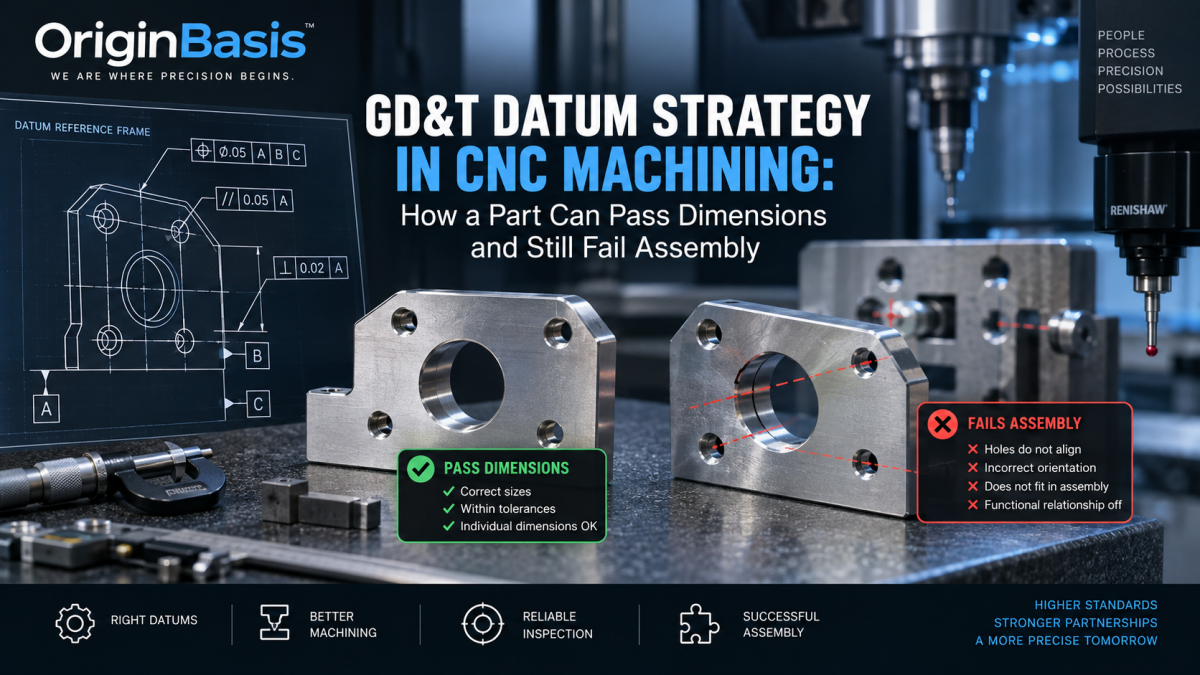
- Achievable Tolerances: Do not accept a general precision claim without supporting evidence. Ask the supplier to review the drawing and identify which tolerances, geometric controls, and surface-finish requirements they can achieve consistently. For demanding features, request relevant inspection results, process-capability evidence, or representative sample work.
- Material Expertise: Ensure the shop has documented experience machining the specific metals or plastics your engineering team specifies. Machining standard aluminum is completely different from maintaining tight tolerances on tough materials like Titanium, Inconel, 17-4 PH Stainless Steel, or 7075-T6 Aerospace Aluminum.
2. Quality Management System (QMS) & Traceability
A machine shop is only as good as its inspection department. When evaluating a supplier in India, look for a deeply ingrained zero-defect quality culture rather than just a certificate on the wall.
- Certifications: Determine which certification or customer-specific quality requirements apply to your component. Depending on the sector and scope, this may include ISO 9001, AS9100, ISO 13485, IATF 16949, or another approved system. Verify the certificate’s issuer, validity, scope, site address, and applicability instead of relying on the phrase “aligned with.”
- Inspection Infrastructure: Ask for a current equipment list and confirm that the available instruments suit your component’s features and tolerances. Depending on the work, this may include a calibrated CMM, height gauge, surface-roughness tester, optical measurement equipment, bore gauges, or other part-specific inspection methods.
- Traceability and Documentation: For critical components, define the required records before placing the order. These may include material certificates, heat-treatment or finishing certificates, revision-controlled instructions, inspection reports, First Article Inspection documentation, and lot or serial traceability. Confirm which documents will accompany each shipment.
3. Leadership Competency: Who is Reviewing Your Drawings?
One of the most overlooked aspects of procurement is the technical literacy of the shop’s leadership. In many larger facilities, drawings are passed straight from a procurement manager to a low-level operator, leading to critical Design for Manufacturability (DFM) errors.
- Machinist-Led Operations: Prioritize shops founded or operated by hands-on, experienced CNC machinists and programmers. When your drawing is reviewed by someone who has personally spent years programming and setting up machines, they can catch potential manufacturing bottlenecks before a single piece of metal is cut.
- Relevant Industry Experience: International or regulated-industry experience can be useful, but it should not replace objective evidence. Evaluate sample documentation, drawing-review quality, corrective-action practices, technical communication, and the supplier’s understanding of your contractual requirements.
4. Scale Flexibility: From Prototype (NPI) to Production Runs
Your ideal manufacturing partner should be able to support you through the entire lifecycle of your product.
- Prototype & NPI (New Product Introduction): Ask whether the supplier accepts prototypes and low-volume work, what minimum order conditions apply, and how prototype learning is transferred into repeat production. Confirm these commercial terms for your specific enquiry instead of assuming a universal no-MOQ policy.
- Production Scalability: If future volume may increase, ask how the supplier validates tooling, fixtures, inspection frequency, revision control, capacity, and outside processes. Repeatability and delivery commitments should be supported by a part-specific production plan rather than a general scalability promise.
5. Strategic Location & Infrastructure Ecosystem
In manufacturing, geography dictates logistics speed. Evaluating the infrastructure surrounding your chosen CNC machining supplier is critical for avoiding shipping delays.
- Location and Logistics: Suppliers in established industrial areas such as Greater Noida and Delhi NCR may benefit from access to transportation, technical labour, tooling, and outside processes. Verify the supplier’s actual logistics arrangements, power continuity, export capability, packaging process, and contingency plans.
- Approved Outside Processes: If heat treatment, anodizing, plating, grinding, testing, or another process is subcontracted, ask how outside providers are evaluated and controlled. Confirm applicable certifications, traceability, inspection responsibilities, lead times, and whether the proposed source requires customer approval.
6. Communication Efficiency & RFQ Turnaround
Miscommunication is the fastest way to derail an engineering project. Evaluate how responsive the supplier is during the initial quoting phase.
- RFQ Responsiveness: A supplier should acknowledge the enquiry promptly and communicate when a technically reviewed quotation will be available. Quote time depends on drawing complexity, material availability, tooling, inspection, outside processes, and requested documentation; a rushed 24-hour promise is not always evidence of a reliable review.
- Direct Technical Access: When you have a question about a geometric dimension or a tolerance modification, you should have a direct line of communication to the lead programmer or engineer, bypassing bureaucratic layers.
How ORIGINBASIS Is Preparing
When evaluating ORIGINBASIS for a future requirement, apply the same evidence-based checklist. We are transparent about our pre-launch status and will confirm actual technical capability, capacity, inspection scope, documentation, and delivery requirements for each enquiry.
ORIGINBASIS is establishing a precision CNC machining facility in Greater Noida, NCR, India, with a planned production opening in April 2027. The facility and its quality processes are being developed to support demanding engineering work, subject to part-specific review and verified capability after commissioning.
ORIGINBASIS Development Priorities:
- Machinist-Led Review: ORIGINBASIS is founded by a precision machinist and programmer with more than 15 years of hands-on experience across Canada and India, including aerospace machining experience. Planned enquiries will receive technical drawing review, with manufacturability questions and assumptions documented before quotation.
- Planned Machining Scope: The planned facility includes 3-axis and 4-axis CNC machining capability. Achievable tolerances, surface finishes, measurement methods, equipment suitability, and process capability will be confirmed for each component after drawing review and facility commissioning.
- Part-Specific Commercial Review: Prototype and repeat-production enquiries are welcome. Minimum quantities, pricing, setup requirements, capacity, inspection scope, and delivery schedules will be confirmed for each job rather than represented as universal guarantees.
- Clear Communication: Advance enquiries will receive acknowledgement and a realistic quotation schedule. Technical questions, exclusions, assumptions, and documentation requirements will be clarified before a manufacturing commitment is made.
Discuss a Future Requirement
ORIGINBASIS is currently establishing its Greater Noida facility, with production planned to begin in April 2027. The launch schedule and available capacity remain subject to commissioning and operational readiness.
We are accepting advance RFQs and early enquiries so drawings, materials, quality requirements, and potential timing can be reviewed before launch. Scheduling will be confirmed only after the facility is commissioned and the required process capability has been verified.
Send your CAD files and drawings to Quote@originbasis.com or visit originbasis.com to discuss a future requirement. Any quotation will identify the applicable scope, assumptions, timing, and quality requirements.